The Leadville Trail 100 MTB doesn’t hand out easy days. You line up at over 10,000 feet, surrounded by peaks that look down on you like silent judges, and you know you’ve got a long way to go before you earn the right to stop. Every pedal stroke costs more in the thin air. Every climb feels like it’s asking, Are you ready for this?
Keegan Swenson’s answer, for the fifth year in a row, was yes.
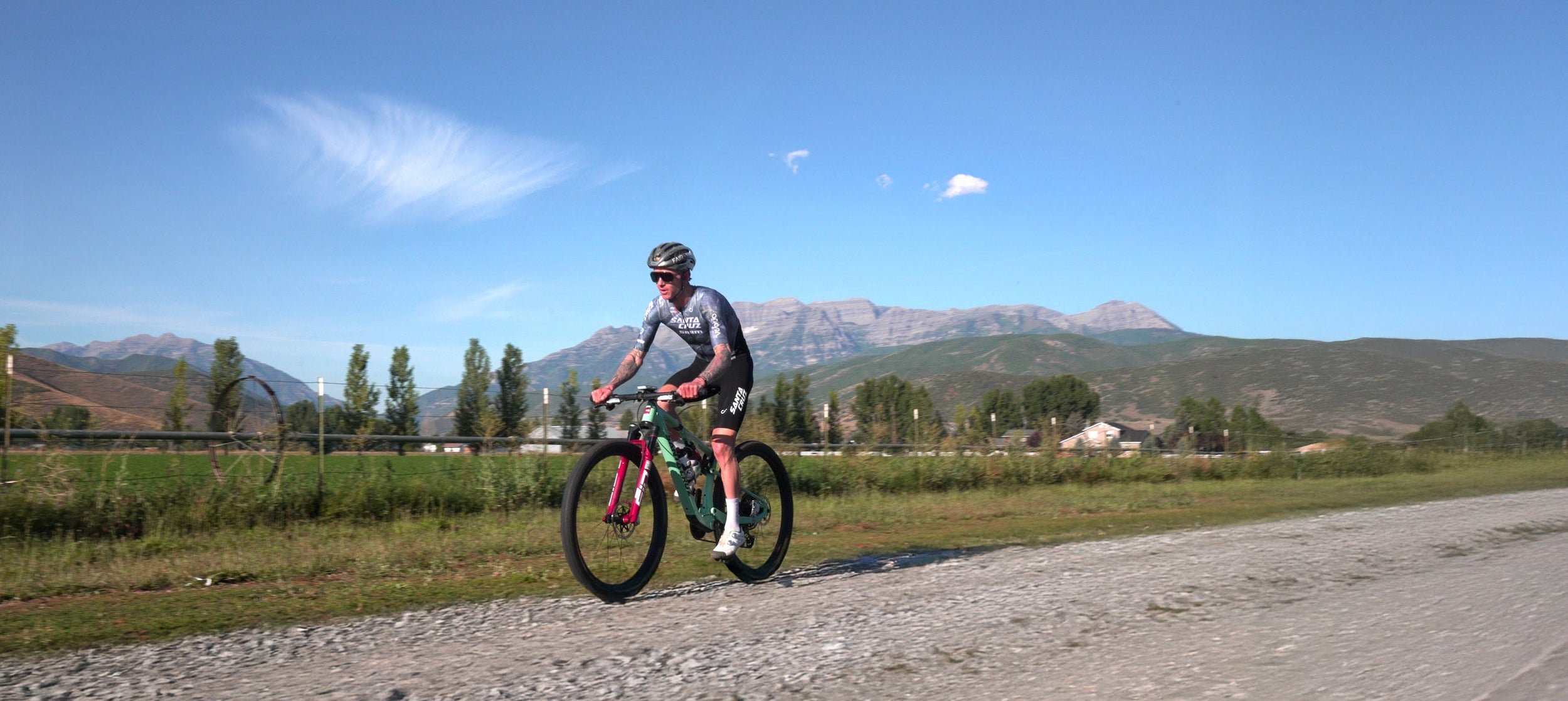
He crossed the line in 5:45:35, taking his fifth straight Leadville win, just two minutes off his own course record. But it wasn’t an easy cruise. The day opened with smoky skies, stayed loose and dusty on the descents, and wrapped with a stiff headwind that made the final miles an exercise in stubbornness.
The Utah Connection and a Little Bit of Secrecy
Keegan first found Tannus through what he calls “the Utah connection.” It didn't come from a grand product pitch, it was simply curiosity and Keegan's talent of continually experimenting.
“I’d seen you guys made inserts…I was on the hunt for the latest and greatest, always playing with different tires and inserts, trying to find the best combo. Tannus had exactly what I was after, lightweight, high-density, supportive without being overly big and heavy. The foam inserts I’d used before would break and fall apart. I wanted something that would hold up.”
At first, he kept it to himself.
“At first I didn’t want to let everyone know how good it was. Back in the day we were running smaller gravel tires…having inserts was a huge advantage. Less flats, lower pressure, not pinching…I was like, maybe I don’t want to be sponsored yet. I don’t want people to know how good it is.”
That’s a secret weapon you guard!
Why Tannus Was in the Bike This Year
Last year, Keegan rolled into Leadville without inserts. It didn’t end well.
“I flatted going down Powerline and had to ride the flat all the way to the feed zone to get a new wheel. This year, I wasn’t taking that chance.” “They’re only like 60 grams. Less likely to flat, more traction, and if you do flat, you just keep trucking to the pit. It’s kind of a no-brainer.”
Leadville’s descents were sketchy this year. You had to run low pressure to get any traction at all, which meant every rock was a potential race-ender without that protection between rim and dirt.
The Women Lit It Up
Before breaking down his own race, Keegan made sure to talk about the women’s field.
“They smashed some course records. I think they had a really fast field this year, really motivated to push hard…under the right conditions they could go another 10 minutes faster. I told Kate Courtney she might need to come back and crush another record.”
It was admiration and recognition of incredible talent that Keegan expressed. He knows what it takes to set records at Leadville. He also knows when he’s seen a performance that shifts the bar for everyone.
Building a Setup for Any Day
Keegan doesn’t believe in a one-size-fits-all insert. His choices shift with the bike, the terrain, and the tire size.
-
Gravel Light: “For light XC and gravel, recommend it for smaller tires like 40-45mm…protects the bead, stops burping, adds sidewall support without weight.”

-
Gravel Insert: “For heavier gravel (45–50mm sized tires) or light XC…overlaps the rim, keeps weight low, works even on 2.4s.”

-
Pro Insert: “For burly XC like Downieville…lets me run soft tires in loose, skatey conditions without worrying.”

-
Pro Fusion: “E-bike? I put these two together. Heavy bike, fast speeds…might as well make it as tough as possible.”

That adaptability is what makes Tannus more than just a race-day thing, it’s something he uses in training, too.
“Honestly, I train with inserts probably half the time on the gravel bike. You’re out in the desert or mountains doing big rides, it’s one less way to flat, and weight doesn’t matter when you’re training.”
Where the Drive Comes From
When you ask Keegan who inspired him, the answer comes quick: Todd Wells.
“I used to watch those guys race at Deer Valley when I was 10 or 12…do the little Shimano kids race, then watch them go to work. I’ve still got a signed Todd Wells poster somewhere. Seeing those guys do what they do, it stuck with me.”
It’s not hard to connect the dots, that kid at Deer Valley turned into a rider who treats Leadville like unfinished business every year. But that drive isn’t only built on watching his heroes, it’s been forged in his own hard days.
One of those days came at the Telluride 100 a few years back. The rain started before the race and never let up. Cold rain at altitude isn’t just uncomfortable; it’s the kind of misery that seeps in and makes you wonder why you’re out there at all.
He crossed the line first, soaked and frozen, with a smile that wasn’t about victory in the traditional sense, it was that quiet, humble pride of knowing he could push himself when every part of him wanted to quit. The kind of pride that doesn’t fade when the race banners come down.
That’s the same grit he brings to Leadville: the respect for the legends who came before him, and the willingness to write his own story one hard mile at a time.
The Person Behind the Pedals
Keegan Swenson isn’t just numbers on a results sheet. Off the bike, he makes space for the things that keep him grounded, days outdoors with his fiancé, Sophia, and their dog, quiet afternoons by the river, and a deep love for anything with an engine. That mix of calm and speed shapes the way he rides: knowing when to push, when to flow, and when to simply enjoy the moment.
His discipline is steady without being rigid, stretching daily, doing push-ups, and building the small habits that keep him balanced and injury-free. He’s quick to say he wishes he’d started stretching earlier, but it’s a cornerstone of his routine now. And yes, his “cheat meal” is strawberry milk, because even the most competitive riders need something that’s purely about joy.
For young riders chasing the dream, his advice is as practical as it is hard-earned:
“Find a way to make it fun, but you’ve got to want to work hard…sometimes you ride in the rain, do your intervals, follow the plan. Be a well-rounded athlete, stretch, do your push-ups.”
It’s that balance, joy in the ride, grit in the work, that makes Keegan worth watching, not just for how he wins, but for how he lives.
The Real Win
Keegan’s fifth Leadville win was built long before race day. It came from choices, to train harder, to learn from past mistakes, to put in equipment he trusts, and to show up ready for whatever the mountains threw at him.
Tannus didn’t win him the race. But it gave him one less thing to worry about when everything else was trying to slow him down. That’s the kind of edge that, once you’ve felt it, you never want to give back.
Ride with the same peace of mind.
Explore Tannus Inserts, make your setup your secret weapon.

Previous article