
• By Wyatt Peterson

  • Photos By Callum Wood

  • January 24, 2025

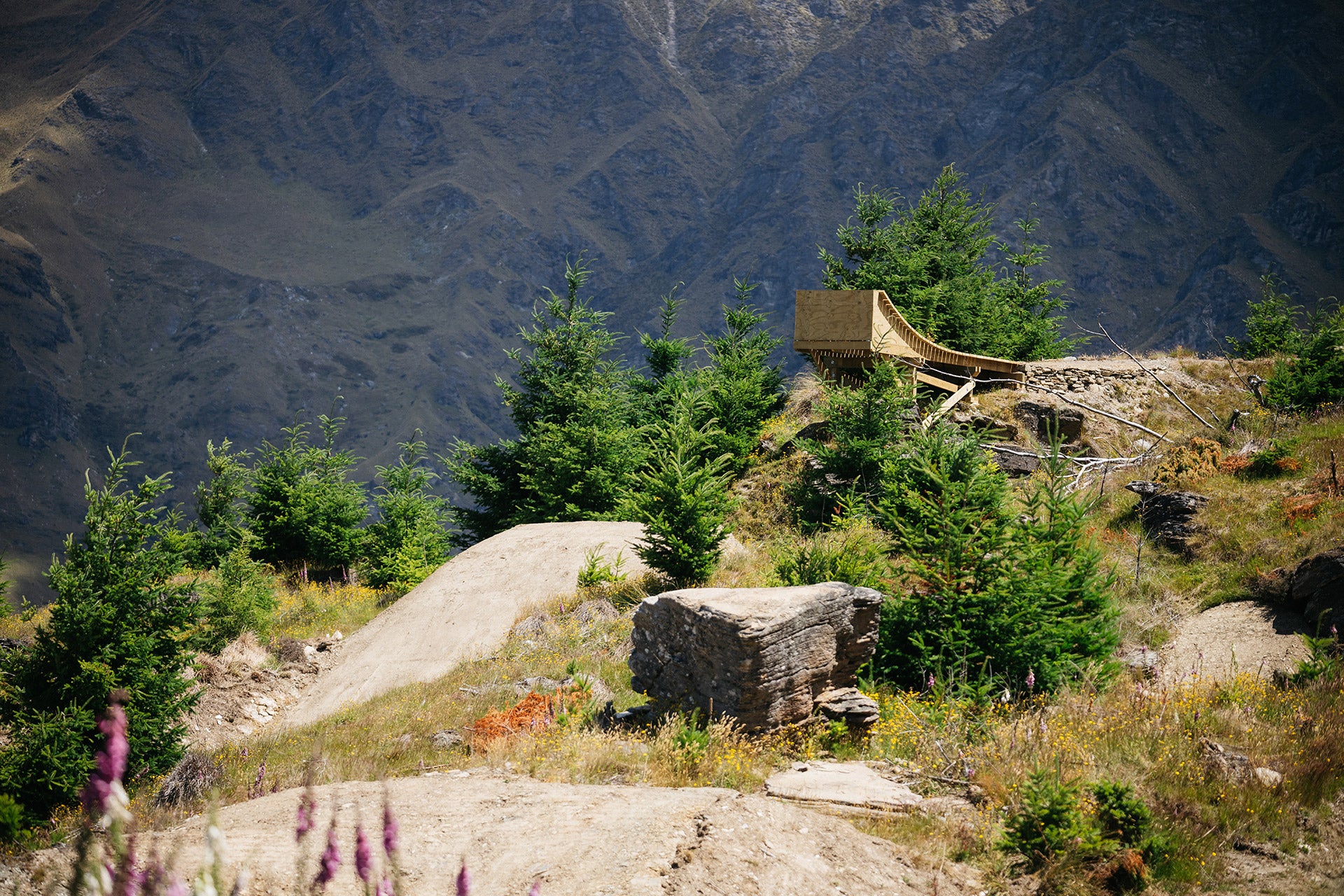
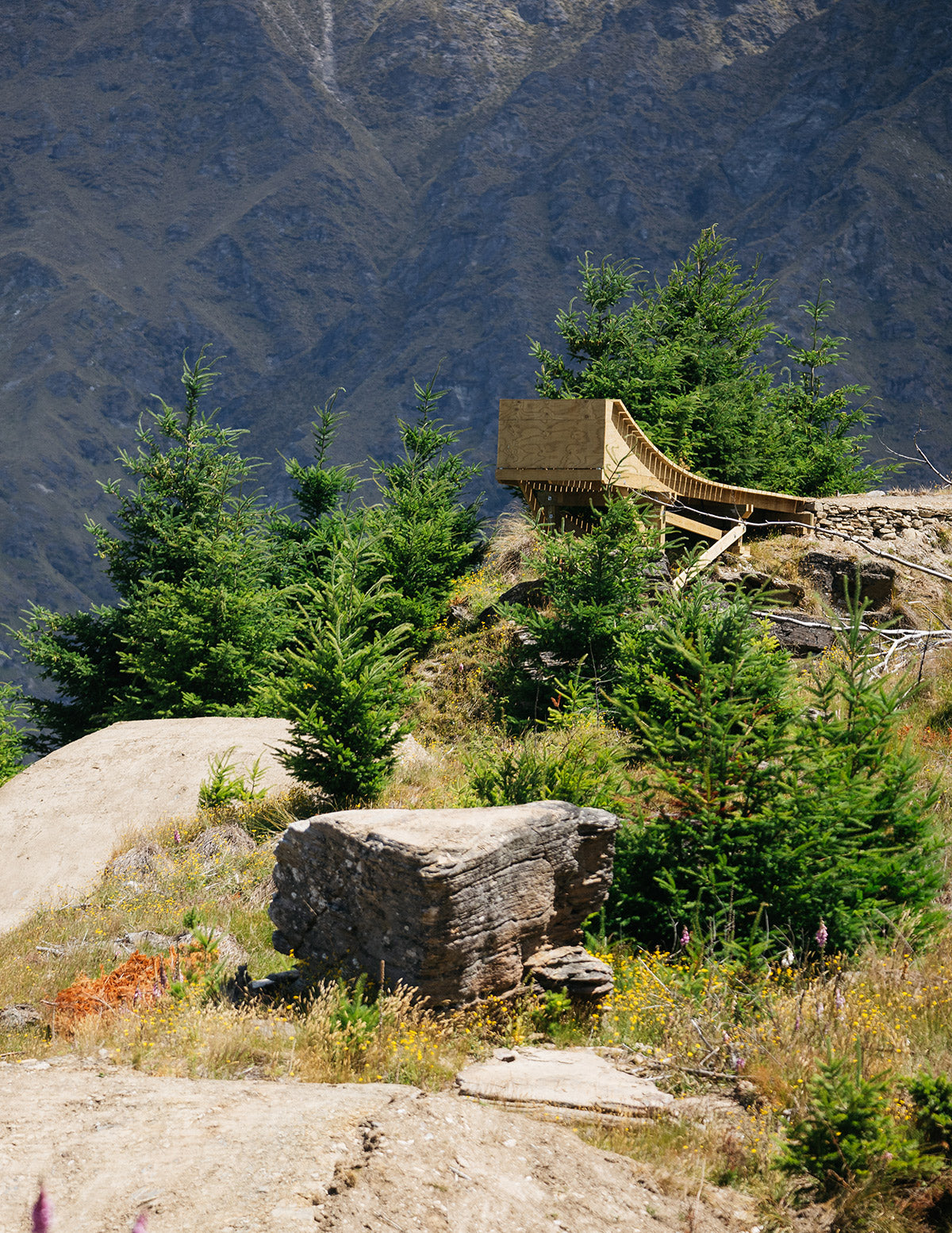
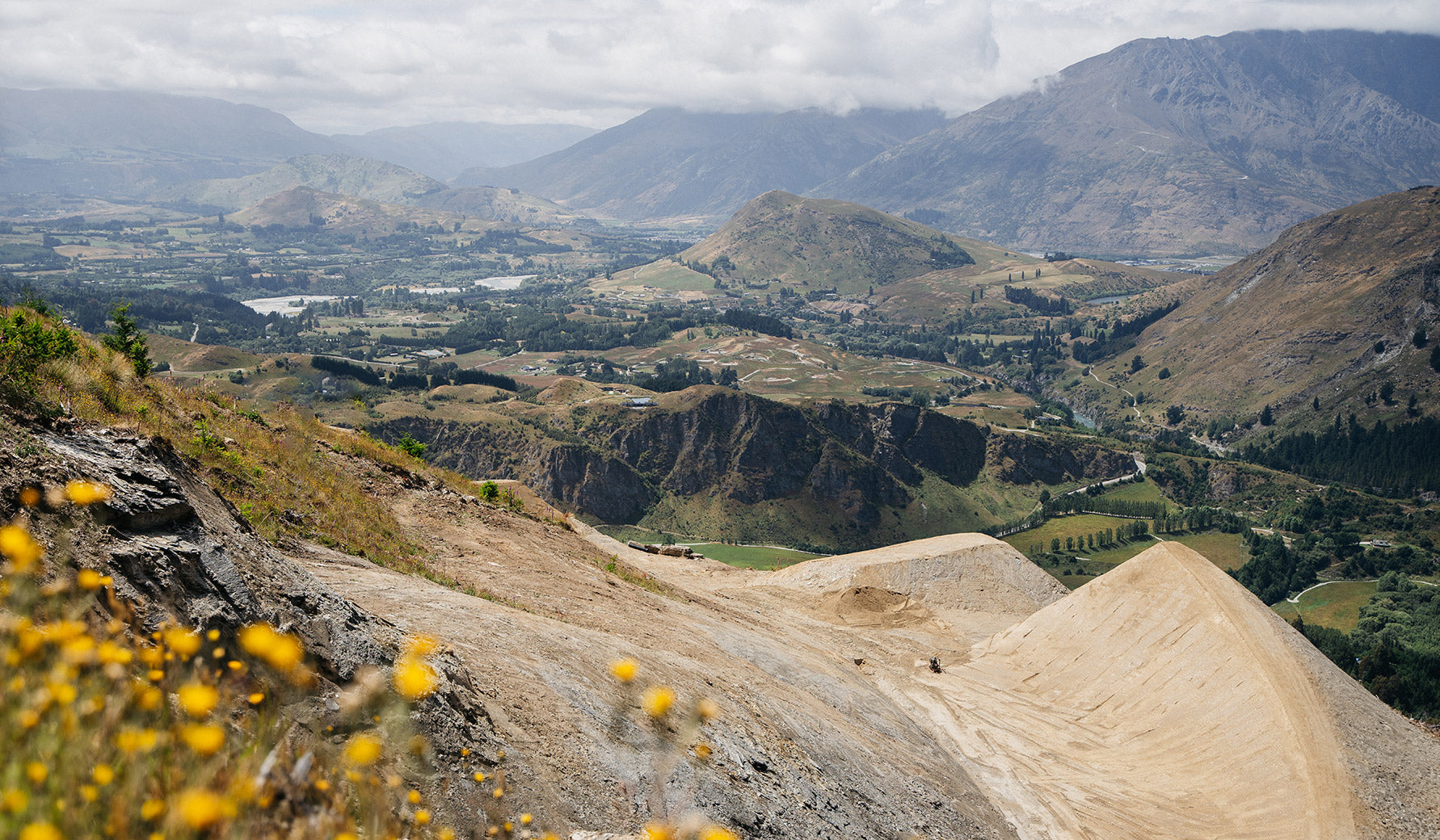
Mountain biking has always been about more than the ride, it’s about freedom, creativity, and the chance to flow with nature. That’s exactly what Natural Selection Bike celebrates. This new freeride event isn’t just a competition, it’s a shift back to riding in sync with Mother Nature. Picture big mountain terrain meeting raw rider creativity on New Zealand’s stunning Mt. Dewar, overlooking Queenstown.

Natural Selection Bike might be new by name, but it is rooted in the legacy of the legendary Proving Grounds events, founded by Todd Barber, now COO of Natural Selection Bike. “We’re evolving freeride competition by letting nature guide us,” said Barber. “With Queenstown’s dynamic terrain and a commitment to sustainability, we’re showing what’s possible when we work with the land, not against it.” This isn’t your typical competition. Natural Selection Bike doesn’t stick to a script or man-made lines. Instead, the terrain blends untouched natural features with carefully enhanced elements shaped by the world-class team at Elevate Trail Building. Think rolling mountains, massive drops, and endless line choices, each one daring riders to push their skills and passion to the absolute edge. This is freeride at its purest.

For the Riders, By the Riders


Not only is Natural Selection Bike unique in its course, it is also opening a world of possibility to the athletes who compete in it. It's a chance for women and men riders to showcase their love for the sport through the display of their grit, artistry and appreciation for the earth they ride on. Local riders even get their shot at the spotlight through the Dream Track qualifiers. This event gives rising talent a chance to grab one of four coveted spots to compete alongside freeriding legends, a once-in-a-lifetime opportunity for anyone bold enough to seize it. Natural Selection Bike isn’t about who crosses the finish line first, no, this competition is all about the story told as the riders flow with the natural terrain. It’s judged on a “CREDO” criteria: Creativity, Risk, Execution, Difficulty, and Overall Impression. Giving the athletes the chance to push their limits like never before. And when riders are pushing those limits, they rely on gear that won’t let them down. That’s why so many freeriders trust Tannus Armour for flat protection. With Tannus, riders can focus on their creativity and execution, knowing that their tires are as prepared as they are.

When and Where to Watch


Mark your calendars! The event will kick off on February 8-9 with the Dream Track qualifiers leading into the finals on February 15th. If you’re lucky enough to make it to Queenstown, tickets are available to watch the action live. For the rest of us, the event will stream on Red Bull TV and YouTube starting March 5, 2025 (March 6 for New Zealand).

Sustainability at the Core


For an event that is all about riders and nature working in unison, it only makes sense that the event would be a pioneer to its commitment to environmental sustainability. Partnering with TreeSpace, the organizers aim to reforest Mt. Dewar and ensure that all event operations produce zero landfill waste, everything will either be recycled or composted to achieve this goal. To top it all off, the event will be powered by a battery storage unit that is charged at a local hydroelectric facility. This sets a new benchmark for eco-friendly events, proving that freeriding and sustainability can ride hand-in-hand.

Mt. Dewar the Dream Venue

Mt. Dewar was carefully picked from a handful of locations by a select group of mountain biking legends. You can see their consideration and reasoning in this video.

What makes Mt. Dewar truly unique is its dual focus on thrill and sustainability. The course design leverages the landscape’s natural features while minimizing environmental impact. It’s a stage that is changing the sport as much as the competition itself. And we are beyond excited to see what history is made here at Mt. Dewar! 

The Future of Freeriding


Whether you’re a die-hard mountain biking enthusiast or just someone who appreciates the tenacity of pushing limits, Natural Selection Bike is set to be a game-changer in the freeriding space. Here at Tannus, we’re beyond stoked to support what this event stands for. Natural Selection Bike is paving the way for what it means to make a sustainable event, by putting mother nature and the riders at the forefront of it all. It’s not just about competition; it’s about breaking boundaries, telling stories, and inspiring all of us to go further in our own passions and potential.

Additional Posts...

  • You Only Get So Many Weekends This Fall. Don't Lose One to a Flat.

    You Only Get So Many Weekends This Fall. Don't Lose One to a Flat.

    Fall doesn't last long, maybe six good weekends if you're lucky, and every one of them is already spoken for. Hunters are hauling gear off-trail before first light. Leaf peepers are chasing color down roads they've never ridden. And everybody's running their fat tires soft for grip, which is exactly what leaves them open to the flat that ends the day early. Here's why fall is the toughest season on a fat tire eBike, and how Tannus Armour keeps you rolling through all of it.

  • America's Worst Cities for Bike Flats, Ranked

    America's Worst Cities for Bike Flats, Ranked

    Every cyclist swears their city is the worst for bike flat tires. We checked. Using current state noxious weed registries, city task force records, and PeopleForBikes' 2026 City Ratings, we ranked America's 10 worst and 10 best cities for bike flats, and the answer isn't just "wherever it's dry." Denver runs two street sweepers for its entire bike lane network. Salt Lake City pays a bounty on the goathead thorns wrecking tires along the Jordan River Trail. Meanwhile, some of the most celebrated bike-friendly cities in the country, Fort Collins, Davis, Provo, sit smack in the middle of goathead's mapped range, proof that great infrastructure and flat-proof riding are two different problems.

    See where your city lands, what's actually causing your flats (goatheads, glass, or both), and why the fix isn't a better bike lane. It's the right tire for where you actually ride.

  • Sealant Has One Job. You're Making It Do Five.

    Sealant Has One Job. You're Making It Do Five.

    Tubeless sealant seals small punctures up to about 5-6mm, and checking it every 2 to 4 months keeps it working, that's the entire job it was built for. It won't stop a rim strike, cushion a pinch flat, or keep your tire from squirming at low PSI, three failure points that have nothing to do with a hole in the tread. This post breaks down exactly what sealant can and can't do, how goathead thorn country changes your maintenance schedule, and why pairing sealant with a tubeless tire insert covers the gaps sealant was never designed to close.

    Tannus Tubeless Inserts use hydrophobic Aither 1.1 foam that doesn't absorb sealant, so you get rim protection, pinch-flat resistance, and confidence at lower pressures without adding maintenance or wheel weight. It's the same setup racers run at events like Leadville and the Unbound Gravel Grand Prix: sealant handles the punctures, the insert handles everything else.

  • Armour, Tubeless, or Airless: Which Tannus Belongs in Your Wheels?

    Armour, Tubeless, or Airless: Which Tannus Belongs in Your Wheels?

    Nobody's ever finished a ride bragging about the flat they fixed on the shoulder. Tannus makes three flat protection products that stop that from happening, and yes, all three share the same name, which is exactly why riders mix them up. Tannus Armour is a 15mm foam insert built for tube setups. Tannus Tubeless Inserts protect rims and back up sealant on tubeless setups. Tannus Airless skips air completely with a solid foam tire built for commuters. Pick the one that matches what's already inside your tire and ride on.

    This guide lines up all three side by side, including who each one is actually built for: e-bike riders and commuters running tubes, gravel and mountain bikers protecting their rims, and city riders ready to retire air pressure for good. Read it once and you'll know exactly which Tannus belongs in your wheels, in about the time it takes to fix a flat.

  • A kid rides a bike at night, with fireworks in the background of the image.

    Why July Is the Worst Month for Flats (Nobody Tells You This)

    July doesn't have one cause behind its flat tires. It has four, all stacking up at once: softer asphalt that holds onto debris, tube pressure that climbs as the pavement heats up, and more broken glass and goatheads left behind after holiday weekends. That's the real reason bike tires go flat more in summer than any other season, and most riders only ever hear about one piece of it.

    This breaks down exactly what's happening to your tires this month, then shows what actually stops it. Tannus Armour is a foam liner that blocks debris before it ever reaches your tube, and Tannus Airless tires remove the tube and the air pressure altogether, so there's nothing left for the heat to work against.