• By Ryan Cook

  • Photos by Tannus America

  • December 11, 2024

There are few things in life better than riding a bike. These human-powered machines offer freedom, exercise, and a great way to unplug, well unless you’re riding an ebike of course 🙂. However, getting a flat tire during a ride can quickly turn a fun adventure into a stressful situation.

When I first started bike racing, I entered my local Cyclocross event. I vividly remember pulling ahead of the other riders in my category. I felt so proud of myself, with no one catching up to me as the finish line came into view. Then—pssssst—I got a flat. I then watched my victory slip away as other riders passed by. Having owned a bike shop and raced bikes for years, I’ve encountered every type of flat tire and solution out there. Over time, one brand has stood out for its innovative, flat-free technology: Tannus. With three distinct products:


They offer reliable solutions for every rider, from commuters to competitive cyclists. Let’s break down the differences and determine which flat-prevention solution is right for you.

TANNUS ARMOUR

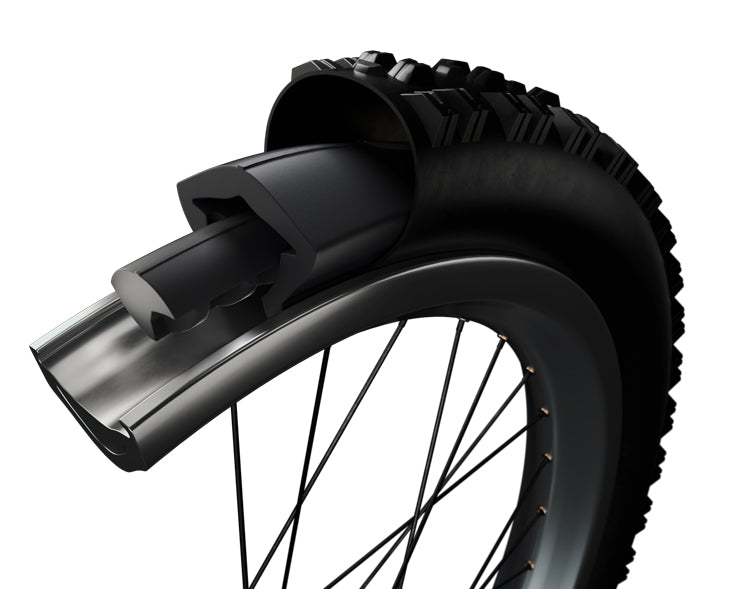
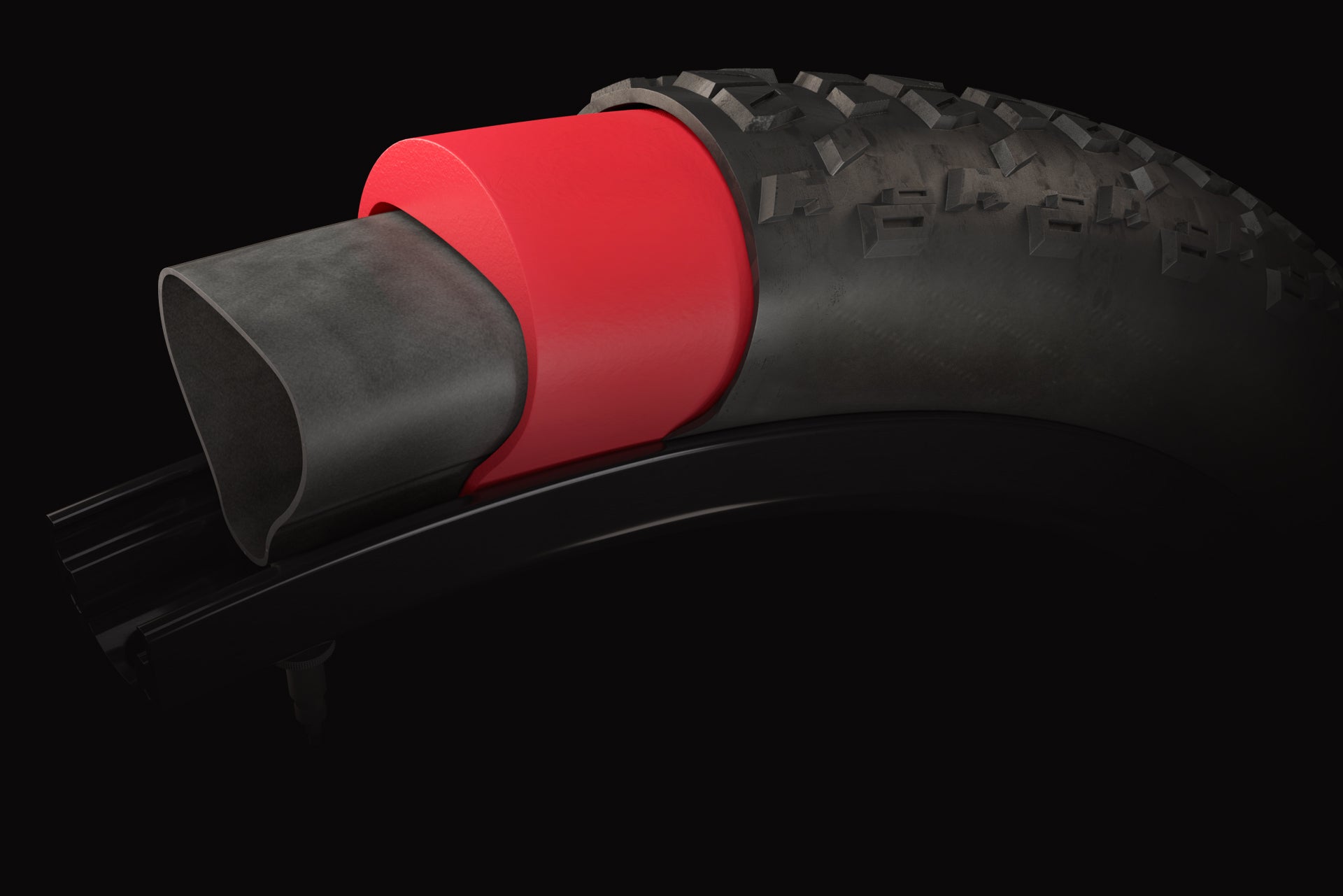
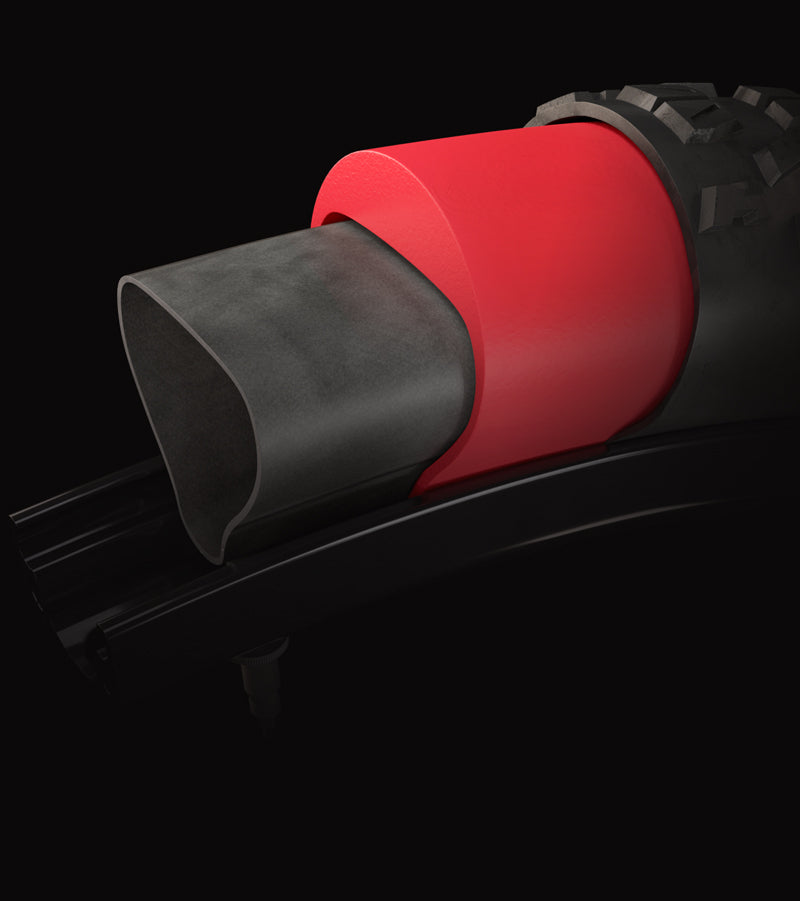
Tannus Armour is a groundbreaking flat-prevention system made from a custom foam designed to shield your tube from punctures, covering it from rim to rim. Glass shards, thorns, nails, and even pinch flats are no match for this innovative technology. Developed by engineers experienced in high-performance foam products used in popular running shoes and football pads, Tannus Armour delivers lightweight durability with unmatched puncture resistance.

In addition to protecting against flats, Tannus Armour enhances ride comfort by absorbing vibrations and shocks from rough roads or trails. Riders often notice reduced fatigue in their hands and wrists, especially during long rides.

  • Who Should Use Tannus Armour?

    This versatile product is ideal for:

    • E-Bikes (Electric Bikes)
    • Commuters
    • Mountain bikers
    • Gravel riders
    • Kids' bikes
    • Casual bike path riders
    • Cruiser cyclists
    • Adaptive MTB BIkes (aMTB)
    • Adaptive Bikes
    • Trikes
  • How To Install Tannus Armour?

    Installing Tannus Armour is simple:

    1. Remove one side of your tire and take out the old tube.
    2. Insert the Tannus Armour liner.
    3. Replace your tube with one that matches the liner size (Tannus Armour reduces the internal volume of your tire, so a smaller tube is needed).
    4. Re-seat the tire bead on the rim and inflate to your preferred PSI.

    For a detailed step-by-step guide, visit our Tannus Armour Installation Guide.

TANNUS TUBELESS

Tubeless tires are popular for mountain bikers and gravel riders, but even the best sealants can fail to patch large punctures or gashes. Tannus Tubeless Inserts solve this problem while enhancing tire performance. These foam inserts provide run-flat technology, rim protection during hard impacts, and improved tire stability at lower PSIs.

With added sidewall support, riders experience better grip and control, especially in technical terrain. This makes Tannus Tubeless Inserts a top choice for aggressive riders who demand high performance.

Who Should Use Tannus Tubeless Inserts?

  • Mountain Bikers 
  • Downhill MTB
  • Enduro MTB
  • Trail MTB
  • XC MTB
  • Gravel
  • Cyclists looking to protect their expensive bike rims

TANNUS AIRLESS TIRES

Airless tires, also known as solid bike tires, eliminate the need for tubes or air entirely. You heard right, there is NO air in these tires.  Made from advanced lightweight foam, Tannus Airless Tires provide the durability of a solid tire with the comfort of traditional tube and tire systems, absorbing bumps and vibrations without the need for ongoing maintenance.

With no need to pump up your tires, replace tubes, or add sealant, Tannus Airless Tires are a true “set and forget” solution.

  • Who Should Use Tannus Airless Tires?

    These tires are best for:

    • Road cyclists
    • City commuters
    • E-bike riders
    • Kid bikes
    • Recreational riders

    While ideal for urban and road cycling, airless tires are not designed for off-road or mountain biking.

  • How Does It Work?

    Airless tires replace your existing tire and tube. Installation involves measuring your rim’s inner width, selecting the correct size, and securing the tire with pins that lock it into place.

    To find the right size tire for your bike here’s our Guide on Airless Tire Size 

    For detailed installation tips, check out our Tannus Airless Tire Installation Guide.

Durability

Winner: Tannus Airless Tires

With a 5,000 mile or 2 year warranty, Tannus Airless Tires are the ultimate low-maintenance solution. While Armour and Tubeless Inserts are highly durable, they require occasional upkeep.

Ride Comfort

Winner: Tannus Tubeless Inserts

The ability to run lower PSIs offers unmatched comfort and control. Tannus Armour comes in a close second, offering improved shock absorption.

Weight and Performance

Tie: Tannus Armour and Tannus Tubeless Inserts

Recent advancements in TPU and latex tubes have allowed Armour to match the lightweight performance of tubeless systems.

The Tannus Advantage


At Tannus, our mission is to keep people pedaling by preventing flat tires and sustaining the future by reducing waste. Whether you're a casual rider, a commuter, or a competitive cyclist, Tannus has a solution tailored to your needs. Our flat-free tire technology means less time fixing flats and more time enjoying the ride.


Each Tannus product has its unique strengths, catering to different types of riders. By understanding the benefits of Tannus Armour Tire Liners, Tannus Tubeless Inserts, and Tannus Solid Tires, you can select the best option for your ride. Ready to make flat tires a thing of the past? Explore our range of products and find the perfect solution for your cycling needs.

Additional Posts...

  • America's Worst Cities for Bike Flats, Ranked

    America's Worst Cities for Bike Flats, Ranked

    Every cyclist swears their city is the worst for bike flat tires. We checked. Using current state noxious weed registries, city task force records, and PeopleForBikes' 2026 City Ratings, we ranked America's 10 worst and 10 best cities for bike flats, and the answer isn't just "wherever it's dry." Denver runs two street sweepers for its entire bike lane network. Salt Lake City pays a bounty on the goathead thorns wrecking tires along the Jordan River Trail. Meanwhile, some of the most celebrated bike-friendly cities in the country, Fort Collins, Davis, Provo, sit smack in the middle of goathead's mapped range, proof that great infrastructure and flat-proof riding are two different problems.

    See where your city lands, what's actually causing your flats (goatheads, glass, or both), and why the fix isn't a better bike lane. It's the right tire for where you actually ride.

  • Sealant Has One Job. You're Making It Do Five.

    Sealant Has One Job. You're Making It Do Five.

    Tubeless sealant seals small punctures up to about 5-6mm, and checking it every 2 to 4 months keeps it working, that's the entire job it was built for. It won't stop a rim strike, cushion a pinch flat, or keep your tire from squirming at low PSI, three failure points that have nothing to do with a hole in the tread. This post breaks down exactly what sealant can and can't do, how goathead thorn country changes your maintenance schedule, and why pairing sealant with a tubeless tire insert covers the gaps sealant was never designed to close.

    Tannus Tubeless Inserts use hydrophobic Aither 1.1 foam that doesn't absorb sealant, so you get rim protection, pinch-flat resistance, and confidence at lower pressures without adding maintenance or wheel weight. It's the same setup racers run at events like Leadville and the Unbound Gravel Grand Prix: sealant handles the punctures, the insert handles everything else.

  • Armour, Tubeless, or Airless: Which Tannus Belongs in Your Wheels?

    Armour, Tubeless, or Airless: Which Tannus Belongs in Your Wheels?

    Nobody's ever finished a ride bragging about the flat they fixed on the shoulder. Tannus makes three flat protection products that stop that from happening, and yes, all three share the same name, which is exactly why riders mix them up. Tannus Armour is a 15mm foam insert built for tube setups. Tannus Tubeless Inserts protect rims and back up sealant on tubeless setups. Tannus Airless skips air completely with a solid foam tire built for commuters. Pick the one that matches what's already inside your tire and ride on.

    This guide lines up all three side by side, including who each one is actually built for: e-bike riders and commuters running tubes, gravel and mountain bikers protecting their rims, and city riders ready to retire air pressure for good. Read it once and you'll know exactly which Tannus belongs in your wheels, in about the time it takes to fix a flat.

  • A kid rides a bike at night, with fireworks in the background of the image.

    Why July Is the Worst Month for Flats (Nobody Tells You This)

    July doesn't have one cause behind its flat tires. It has four, all stacking up at once: softer asphalt that holds onto debris, tube pressure that climbs as the pavement heats up, and more broken glass and goatheads left behind after holiday weekends. That's the real reason bike tires go flat more in summer than any other season, and most riders only ever hear about one piece of it.

    This breaks down exactly what's happening to your tires this month, then shows what actually stops it. Tannus Armour is a foam liner that blocks debris before it ever reaches your tube, and Tannus Airless tires remove the tube and the air pressure altogether, so there's nothing left for the heat to work against.

  • Tannus Airless tires on a commuter bike, riding down a New York City street at golden hour after a rainstorm.

    The City Tire That Disappears Into Your Ride

    Your commuter tires are supposed to be the last thing on your mind. The light changing two blocks up, the pothole on your usual route, whether you locked up in time, that's what fills a commuter's headspace. The tire is just supposed to work. 

    City riding asks more from a tire than most people realize. Glass in the bike lane, wet metal grates, sun-softened asphalt, the specific hostility of a road that hasn't been repaved since 2019. Most commuters are rolling on whatever came stock with their bike, which means rolling on a compromise. This is what a commuter tire actually needs to do, and why riders in New York, Chicago, Seattle, and Portland are making the switch to airless.