
Let me be honest with you right out of the gate, I didn’t grow up dreaming of bike gear. In fact, if you rewind a few years, you’d find me flying down the street on a dark purple Mongoose bought on sale at Walmart, knees probably scraped, helmet probably too loose, and not a single care in the world.
Did I know what a tire liner was? Absolutely not.
Did I ever imagine I’d one day be writing about them for a living? Even less likely.
But life’s funny like that. Somewhere between growing up, chasing adventure, and getting hired by Tannus to be over their content and email, I found myself deep in a world I had only ever danced around before…the bike industry.
And now, I’m here to tell you what I’ve learned, why Tannus Armour surprised me, and how something as simple as a foam insert can make a big difference no matter what kind of rider you are.

When I first heard the words tire liner, I think I tilted my head and blinked in confusion like I just stepped into another planet. My gut reaction? “Is this really necessary?”
I mean, how often do people even get flats? I thought this was probably some niche gear for the hardcore racers or the guys in spandex flying down canyons at 40 miles per hour.
And then I saw it, Tannus Armour, this pinkish-red insert that looked nothing like anything I associated with tires. I mean, shouldn’t it be black? A bike tire tube and tire are black. This felt like someone decided to throw a pool noodle inside a tire and call it innovation.
Color me skeptical.
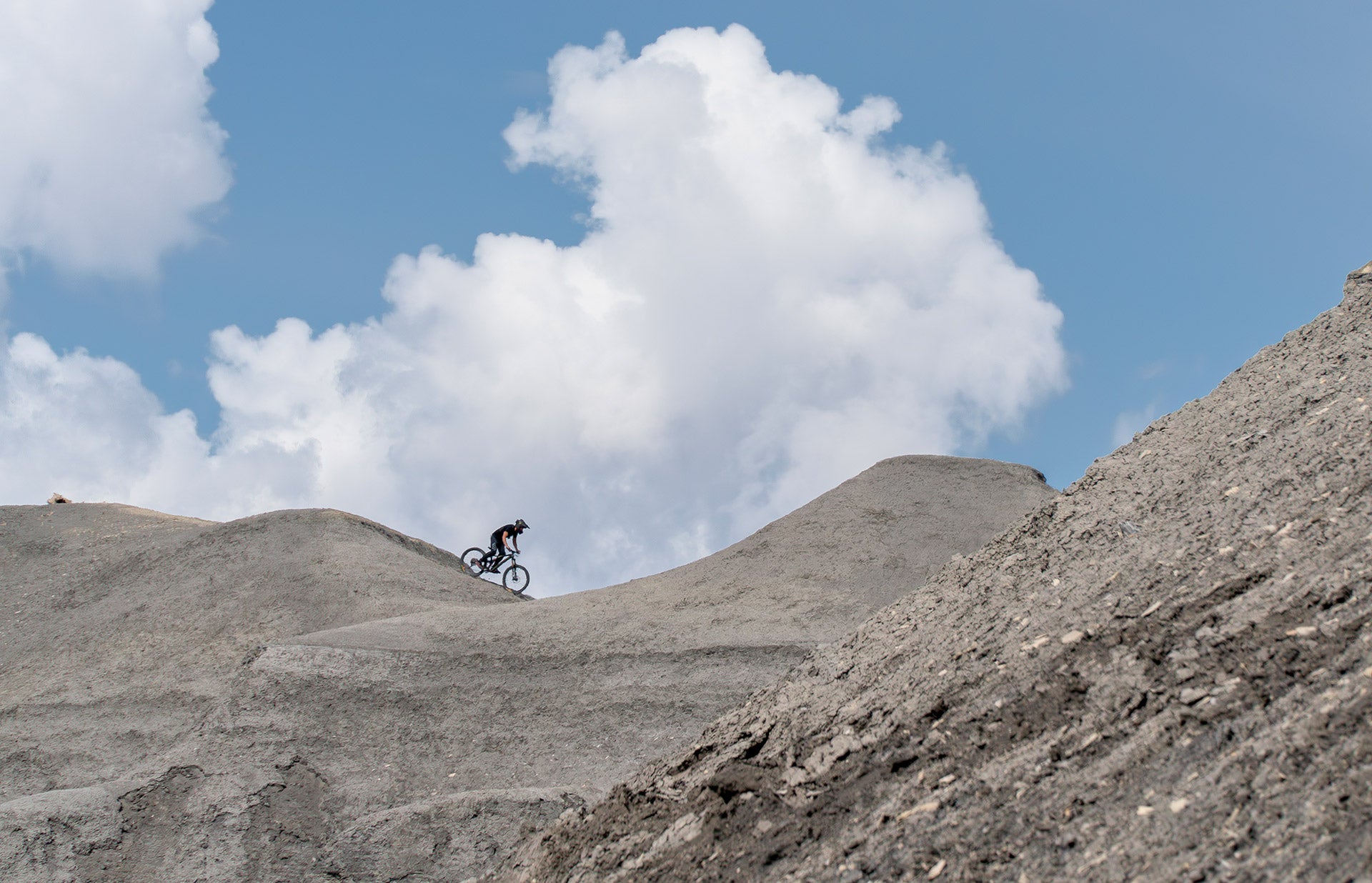
Before joining Tannus, I actually had worked with a lot of mountain bikers and downhill riders, just not in the way you’d think. As a freelance adventure photographer, I was out on the trails capturing those epic moments. Riders launching off rock drops, carving through corners, kicking up dust trails. I wasn’t riding with them however, I was trail running alongside them, camera in hand, quickly setting up shots for them to drop into.
Back then, I didn’t really think about what went into making those rides happen. I was just focused on the perfect angle, the lighting, the composition. But looking back now, I realize a lot of those riders were relying on gear like Tannus Armour to push their bikes, and themselves, to the limit.
In other words, I was photographing the results, but had no idea what was going on behind the scenes to make them possible.
One of my first assignments at Tannus was writing about Jack Smith, a guy who rode an e-bike across the country, without a single flat tire. (Read his story here) That blew my mind. Especially since, within just a few days on the job, I was learning how incredibly common flats actually are. I’m talking thorns, sharp rocks, goat heads, broken glass, and even just bad luck.
And then I watched our social media guy run tests, driving nails, screws, machetes, even Samurai swords through tires, just to show how much abuse Tannus Armour tire liners could handle. It was like MythBusters for bikes, and Armour kept holding strong.
That’s when it all started to click. Tire liners aren’t just about preventing flats. They’re about confidence, freedom, and rideability. I mean the different names tire liners go by (according to the internet) says a lot. Aliases include, bicycle tube protector, tire inserts (not technically right, but people still say it), puncture proof bicycle tires (which seems more like an alias for our Airless tires and not Armour), and of course tire liners (but they really line the tube, so I think the name should be workshopped).
Let’s say I had a time machine, and I could go back to ten-year-old Wyatt, helmet askew, pedaling toward the park on a Mongoose bike, and hand him a set of Tannus Armour inserts.
He’d probably shrug and go, “Cool,” then toss it at his mom and go ride off a curb.
Because here’s the thing, I didn’t get flats as a kid. And if I did, I would’ve walked the bike home and had my parents fix it. I wasn’t riding technical trails or bombing descents, I was just cruising with my friends, chasing freedom until the streetlights came on.
But knowing what I know now, I get why flat prevention is such a game changer, especially for people just starting out, or families, or anyone who wants to ride without interruption.
Let me break this down in simple terms, because trust me, I’ve been in the “what even is a tire liner” seat not long ago. Here’s what Tannus Armour actually does:
If you're riding a bike with tubes in the tires, tire liners like Tannus Armour can seriously improve your experience.
Commuter on an e-bike? Armour saves you from fixing flats in work clothes.
Weekend trail warrior? Run lower pressure and ride harder with fewer worries.
Parents with kids just learning to ride? Less chance of mid-ride meltdowns because of a flat.
Even if you’re just someone who likes a nice ride around the neighborhood, this little tire liner can turn a potential trip-ender into a non-issue.
It’s not about being a “serious cyclist.” It’s about making riding simple, smooth, and stress-free.

I’ve gone from photographing mountain bikers, to writing about the gear that helps them ride harder and safer. I’ve gone from never thinking twice about a bike tire, to realizing just how fragile they can be and how powerful the right flat prevention system can be.
Tannus Armour may have started as a pink foam mystery to me, but now it’s something I’ll recommend to anyone who rides. Because whether you're sending jumps or just cruising with your kids, riding should be about the ride, not about fixing flats in the middle of it.
And who knows, maybe one day I’ll stop running trails and actually start riding them.
But if I do, I’ll make sure I’ve got Armour inside my tires first.
Did I know what a tire liner was? Absolutely not.
Did I ever imagine I’d one day be writing about them for a living? Even less likely.
But life’s funny like that. Somewhere between growing up, chasing adventure, and getting hired by Tannus to be over their content and email, I found myself deep in a world I had only ever danced around before…the bike industry.
And now, I’m here to tell you what I’ve learned, why Tannus Armour surprised me, and how something as simple as a foam insert can make a big difference no matter what kind of rider you are.
Wait, What’s a Tire Liner Again?
When I first heard the words tire liner, I think I tilted my head and blinked in confusion like I just stepped into another planet. My gut reaction? “Is this really necessary?”
I mean, how often do people even get flats? I thought this was probably some niche gear for the hardcore racers or the guys in spandex flying down canyons at 40 miles per hour.
And then I saw it, Tannus Armour, this pinkish-red insert that looked nothing like anything I associated with tires. I mean, shouldn’t it be black? A bike tire tube and tire are black. This felt like someone decided to throw a pool noodle inside a tire and call it innovation.
Color me skeptical.
From Behind the Lens to Behind the Scenes
Before joining Tannus, I actually had worked with a lot of mountain bikers and downhill riders, just not in the way you’d think. As a freelance adventure photographer, I was out on the trails capturing those epic moments. Riders launching off rock drops, carving through corners, kicking up dust trails. I wasn’t riding with them however, I was trail running alongside them, camera in hand, quickly setting up shots for them to drop into.
Back then, I didn’t really think about what went into making those rides happen. I was just focused on the perfect angle, the lighting, the composition. But looking back now, I realize a lot of those riders were relying on gear like Tannus Armour to push their bikes, and themselves, to the limit.
In other words, I was photographing the results, but had no idea what was going on behind the scenes to make them possible.
The Armour Awakening
One of my first assignments at Tannus was writing about Jack Smith, a guy who rode an e-bike across the country, without a single flat tire. (Read his story here) That blew my mind. Especially since, within just a few days on the job, I was learning how incredibly common flats actually are. I’m talking thorns, sharp rocks, goat heads, broken glass, and even just bad luck.
And then I watched our social media guy run tests, driving nails, screws, machetes, even Samurai swords through tires, just to show how much abuse Tannus Armour tire liners could handle. It was like MythBusters for bikes, and Armour kept holding strong.
That’s when it all started to click. Tire liners aren’t just about preventing flats. They’re about confidence, freedom, and rideability. I mean the different names tire liners go by (according to the internet) says a lot. Aliases include, bicycle tube protector, tire inserts (not technically right, but people still say it), puncture proof bicycle tires (which seems more like an alias for our Airless tires and not Armour), and of course tire liners (but they really line the tube, so I think the name should be workshopped).
If I Could Go Back…
Let’s say I had a time machine, and I could go back to ten-year-old Wyatt, helmet askew, pedaling toward the park on a Mongoose bike, and hand him a set of Tannus Armour inserts.
He’d probably shrug and go, “Cool,” then toss it at his mom and go ride off a curb.
Because here’s the thing, I didn’t get flats as a kid. And if I did, I would’ve walked the bike home and had my parents fix it. I wasn’t riding technical trails or bombing descents, I was just cruising with my friends, chasing freedom until the streetlights came on.
But knowing what I know now, I get why flat prevention is such a game changer, especially for people just starting out, or families, or anyone who wants to ride without interruption.
The Stuff I Never Knew
Let me break this down in simple terms, because trust me, I’ve been in the “what even is a tire liner” seat not long ago. Here’s what Tannus Armour actually does:
- Puncture Protection: It shields your inner tube from glass, thorns, nails, and other sharp stuff. (Have you seen the side of the roads lately, society is a bunch of litter bugs. Seriously we gotta do better with keeping things cleaned up, but at least Armour keeps you pedaling.)
- Pinch Flat Protection: That extra cushion keeps your tire from pinching against the rim when you hit something hard. (This I definitely did as a kid, not sure how I didn’t get a flat looking back at some of those curbs I nailed at full speed…yes they did result in a crash.)
- Lower Tire Pressure: You can ride with lower PSI, which means better grip, traction, and a more comfortable ride. The pros really appreciate this, also those who just like to get out on terrain that requires a little more traction. (ice, snow, sand, etc).
- Vibration Damping: Less chatter, smoother ride. I mean this is something countless people tell me about. Like yeah I have ridden a little more since I got hired, but come on its been winter my whole time at Tannus…I will experience this first hand once it warms up.
- Run-Flat Ability: Even if you do get a flat, you can keep riding until you get somewhere safe. (But be smart about it, don’t go hitting the rough terrain with a flat. It's all about being able to get to a safe/comfortable spot to fix your tube. Disclaimer I just learned while writing this, any Fat Tire Bikes should not run flat regardless of tire liners or not…that will be very bad for your rim)
Who Needs Tire Liners? (Spoiler: Probably You)
If you're riding a bike with tubes in the tires, tire liners like Tannus Armour can seriously improve your experience.
Commuter on an e-bike? Armour saves you from fixing flats in work clothes.
Weekend trail warrior? Run lower pressure and ride harder with fewer worries.
Parents with kids just learning to ride? Less chance of mid-ride meltdowns because of a flat.
Even if you’re just someone who likes a nice ride around the neighborhood, this little tire liner can turn a potential trip-ender into a non-issue.
It’s not about being a “serious cyclist.” It’s about making riding simple, smooth, and stress-free.
Final Thoughts, From a Guy Who Ran the Trails
I’ve gone from photographing mountain bikers, to writing about the gear that helps them ride harder and safer. I’ve gone from never thinking twice about a bike tire, to realizing just how fragile they can be and how powerful the right flat prevention system can be.
Tannus Armour may have started as a pink foam mystery to me, but now it’s something I’ll recommend to anyone who rides. Because whether you're sending jumps or just cruising with your kids, riding should be about the ride, not about fixing flats in the middle of it.
And who knows, maybe one day I’ll stop running trails and actually start riding them.
But if I do, I’ll make sure I’ve got Armour inside my tires first.


