

Hey, you want to ride your bike to work?
So, you want to ride a bike...to work? Great idea! Your mom will be so proud (Not really. She hates the idea. “What’s the point of having a car if you don’t use it?”).
Regardless, you are committed to having this two-wheeled joy ride propel you to your work desk. You have the bike, the will, and the Google map to make it happen. You got it all…or do you? I thought not.
Before you head out on your professional pilgrimage, I have a few items to check off your list. Just to ensure a successful experience is had.

Ask yourself: Is the bike ready?
This is where we begin since most bike commute failures come from the malfunction of the bike itself. Keeping up with the maintenance basically means:
- Lube things with threads
- Tighten things with nuts
- Clean things that are dirty
Not bad, right? Wrong. We haven't talked about the air-filled elephant yet. Tires.
The number one problem for all of cyclingdom is undoubtedly flat tires. Before any ride, check your tire pressure and look for items protruding from the tire that don’t belong there (That does not include those cute little nubs that indicate how much you don't ride your bike). If the nail/thorn/beer cap is already embedded, pull it out and test to see if it has punctured the tube. You can easily discern this by the telltale SSSSSSssssss sound or by carefully dribbling water over the area while looking for bubbles. It's like a magic trick. If you do seem to have a leak, patch or replace the tube straight-away.
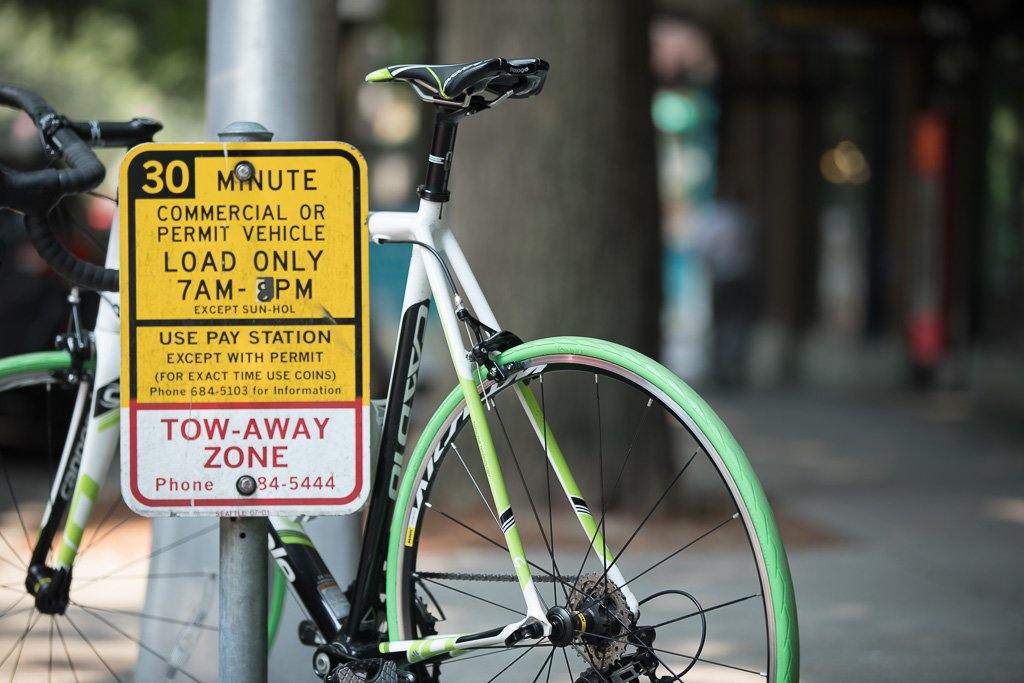
Of course, the best way to deal with this is to simply install some airless tires. This will ensure you will never have to worry about flat tires for a very long time (5000+ miles on the Tannus tires). The other benefit is the resistance to weather conditions. The solid bike tires keep their grip in wet as well as angled surfaces. Seriously. The Tannus Tires scream “Bike commuting” not only for the reliability and convenience but also for the slick color options you have. Sooooo good.

Safety first: Wear a helmet and reflective gear
Of course, you want to look good no matter what, when, who, or how. I respect your devotion to good form and representation. However, that suave, gel-frozen hairdo won’t protect you from the cold embrace of a curbside landing. Bicycles are practically invisible to most motorists and things just go wrong sometimes. You have to be prepared.
The key safety concern is your head. Get a helmet that is comfortable and high-quality. A good fit will be more comfortable and offer the complete coverage the tender parts of your cranium require. To further ensure that the helm will do it’s job, look for one that meets safety certification standards such as ASTM or Snell (Snell is known as the highest standard).
That doesn’t mean you can’t be deliberate in your choice of safety gear and the demigods of fashion haven’t totally abandoned the active types. There are many options for protecting your noggin that all but the most aloof will view as an agreeable compromise. Check out the bike helmets offered from Thousand, Sawako, and Kask (If Italian leather is your thing).
The helmet being the most critical concern in the event of spill, preventing such an occurrence is also a priority. This will be best accomplished by making yourself as visible as possible. You can try wearing a day glow jacket, attaching a blinking led to the bike or the back of your helmet. You could also apply reflective tape on the strategic areas of your bike that are facing headlights, etc. These efforts won’t guarantee that a distracted driver will miraculously avoid cutting you off, but they do make a difference in the early morning or late evening parts of your commute.

Clothing plan: Outfit you can carry or not
You basically have two options in dealing with the question of clothing: To carry or not to carry.
First of all, you may find yourself in a work environment that requires 3 piece suits, a tailored skirt, and a shiny pair of Rossi pumps. This will definitely dictate you having an outfit at work, ready to don once you’ve freshened up in a cologne bath. It would be simple to bring said ensemble the day before and keep your reputation as the office hunk who keeps the trunk trim. Always keep it classy.
If you have a more flexible dress code, there are a variety of clothing options that are wrinkle-resistant and low-impact on the stowage weight. This approach would necessitate the use of a backpack or bag. Either of these totes could be attached to you or mounted to your two-wheeled stallion via panniers or a rack. It just depends on your budget and your preference on where the weight is found on the bike.
If you do opt for the backpack, I recommend placing the contents in a separate plastic bags in case of rain, snow, or impromptu ice challenges assault you. Any electronics contained therein should also get the same treatment. Take care of iPhone and iPhone takes care of you.

Start with a short ride
Once you have your outfit picked out, the bike verified and you have selected the comfortable way to carry stuff en route you are ready to ride into work, right? Well, I suggest a mini-me attempt first.
Find a distance that is 1/4 to a 1/3 of your commute and try it out. This is just enough distance to make sure everything feels good and works as expected. It’s also a good range to test the comfort level of your seat. You don’t want to find yourself halfway through the ride cursing your boney bum and wondering if Uber has a bike option (They do btw).
Do this on a weekend for the support of people at home and potentially less traffic to worry about. Make it a fun destination like your favorite pastry pantry or a park you’ve never been to. Cycling is definitely about the journey so, plan it to be the most scenic and rewarding journey you can.

Practice run

Wahoo!
So, now you come to it. The bike is ready like a racehorse. Your safety is covered and color-coordinated. This setup is on point. With the short ride test behind you, it's time to go for the whole enchilada...
Hold on there, bucky! One more step just to make sure you are not risking some precious PTO.
Take the time to do the whole trip. Wake up and go at the same time you would on a work day and look for the unforeseen gotchas. It may be that the route chosen has more elevation change than you realized resulting in longer ride times than expected. Perhaps you hadn’t calculated the distraction time coming from the doughnut shop on 5th. It’s just a good idea to give it a full go with no pressure associated. Mostly, it’s just a final step to cover your asinine tendency to overlook a few details that might be the difference between mission accomplished and missing persons reports.

Wahoo!
We are all so excited for you! This is going to be the bomb diggity of your day. Getting that ride in, arriving with vim, vigor, and verve for your workday. This decision to ride your bike to work will surely catapult your chances at that new promotion or getting that dude to notice your sweet, Tannus-enabled ride. There are still areas we haven’t discussed like dealing with weather, cool electronic gadgets to make it even more fun, but we’ll get to that later.
For now, enjoy this new commuting approach that will save your money and your life by keeping you healthy and removing all that stress-increasing cage rides (Some would refer to them as cars). You are now the hero of your own story. Savor the satisfaction; You deserve it.
Previous article
Cycling Training: safety first
Next article
Getting started with cycling


